
Architecture Overview
2.1
High-Level Design Philosophy
SHIZA's architecture embraces a developmental approach inspired by how humans acquire and refine knowledge. The system is divided into two main learning stages:
- ➤Personalized Learning: Individual agents learn through direct interaction with users, building customized knowledge and capabilities tailored to specific needs and contexts.
- ➤Social Learning: Agents interact with other agents, sharing knowledge, coordinating on complex tasks, and collectively evolving their capabilities through collaborative intelligence.
This two-stage approach ensures that agents develop both deep specialization and broad collaborative abilities.
2.2
Operational Components
At the operational level, SHIZA consists of four distinct but interconnected modules:
- ➤SHIZA Companion: Provides immediate assistance and basic AI services
- ➤SHIZA Developer: Enables no-code agent workflow creation
- ➤SHIZA-ILM : The cognitive core enabling learning and evolution
- ➤SHIZA Intellects/Zonal Agents/KaaS : Specialized, deployable intelligence
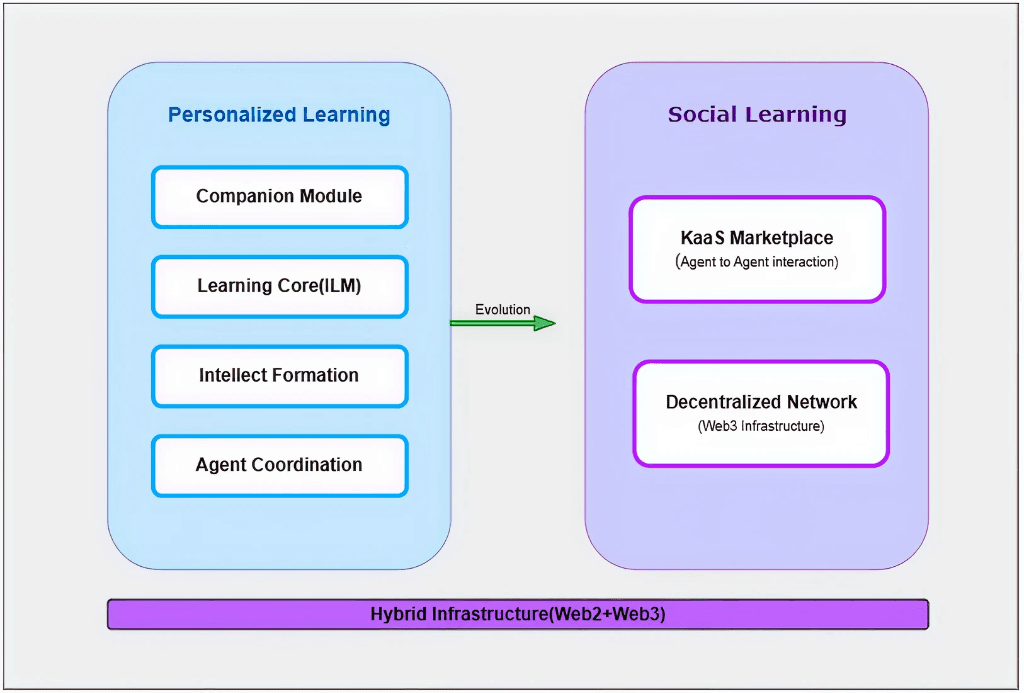
Figure 2: SHIZA architecture supports both personalized learning and social coordination
2.3
Compute Infrastructure
SHIZA operates on a hybrid infrastructure model:
- ➤Web2 Infrastructure: Centralized compute for basic companion services, ensuring low latency and high reliability for everyday interactions. Industry standard security protocols protect userdata and maintain privacy.
- ➤Web3 Infrastructure: Decentralized networks support agent training, deployment, and economicactivities. Advanced security measures including future proof cryptographic methods ensure long term protection and enable transparent incentivization.
This hybrid approach provides the best of both worlds: responsive user experience with decentralized ownership and economic opportunity.